Laparoscopic Sleeve Gastrectomy (Weight Loss Surgery)
Laparoscopic Sleeve Gastrectomy
Laparoscopic Sleeve Gastrectomy (Weight Loss Surgery)
Dr-Alassaf
Feb 26, 2026
What Is Sleeve Gastrectomy?
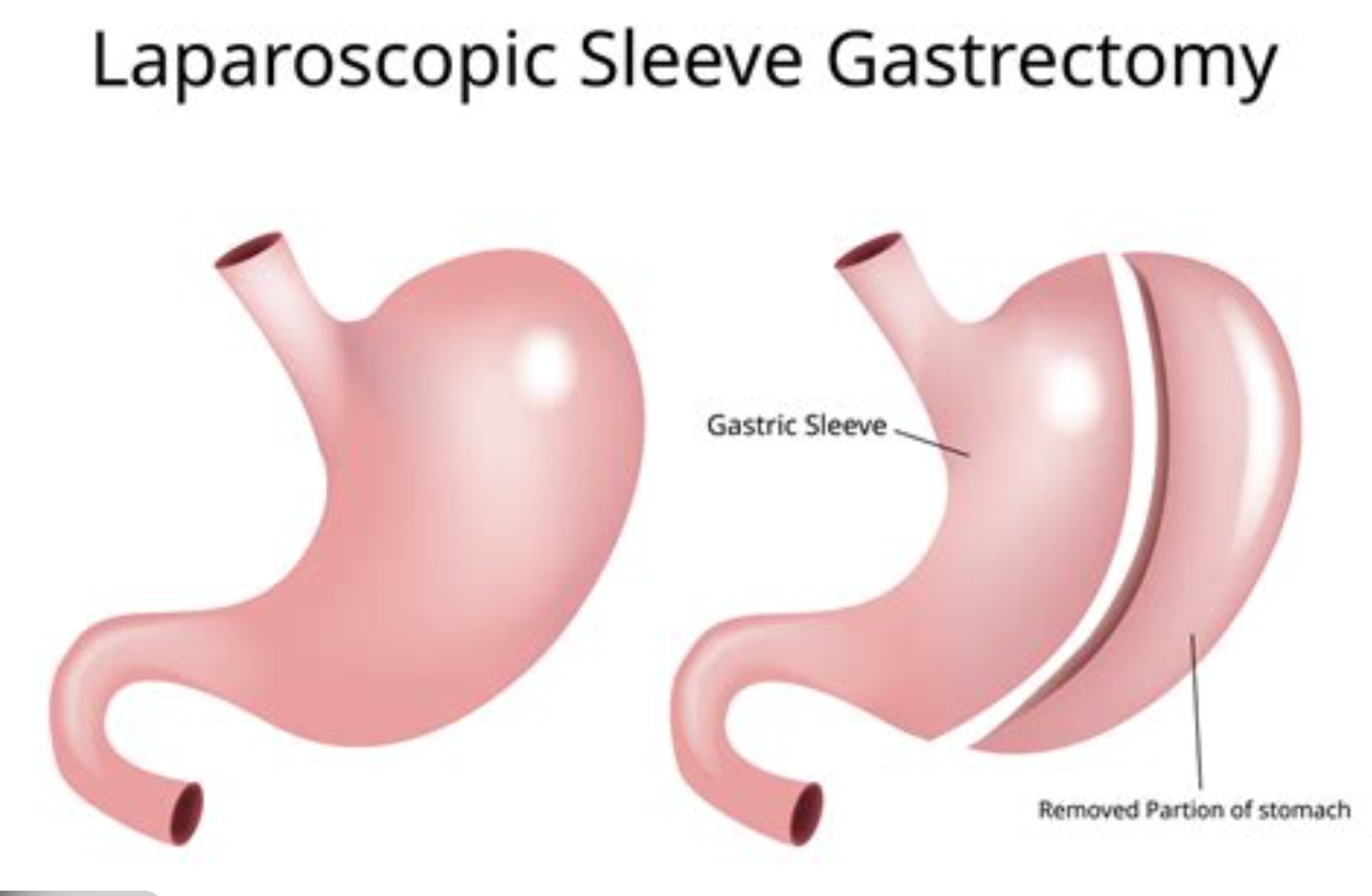
Laparoscopic sleeve gastrectomy is a weight loss surgery in which most of the stomach is removed, leaving a small, tube-shaped stomach (like a sleeve). This smaller stomach:
• Holds less food, helping you eat less
• Reduces appetite by lowering hunger hormones
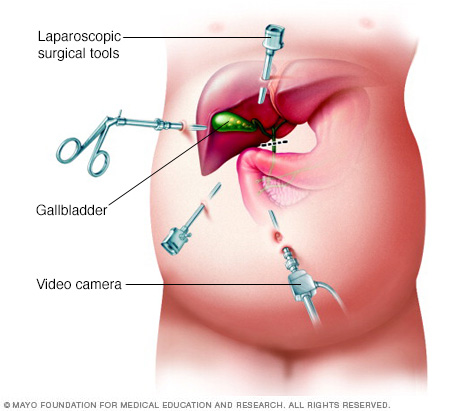
The procedure is done laparoscopically using small keyhole incisions, which leads to smaller scars, less pain, and faster recovery than open surgery.
Why Surgery Is Recommended (Indications)
Sleeve gastrectomy may be recommended for patients who:
• Have morbid obesity (BMI ≥ 40)
• Have BMI ≥ 35 with obesity-related health problems (e.g., type 2 diabetes, high blood pressure, sleep apnea)
• Have tried diet, exercise, or medications without sufficient weight loss
• Want a long-term, effective weight loss solution
Your doctor will evaluate your health and weight loss history to determine if this surgery is appropriate.
How Is the Surgery Performed?
1. Small keyhole incisions are made in the abdomen.
2. A camera and instruments are inserted to remove approximately 75–80% of the stomach.
3. The remaining stomach is shaped into a narrow tube (sleeve).
4. Incisions are closed with small sutures.
The surgery usually takes 1–2 hours, and most patients go home within 1–2 days.
Benefits of Laparoscopic Sleeve Gastrectomy
Significant & Sustained Weight Loss
• Most patients lose about 20–30% of their total body weight after surgery, which is much higher than weight loss with medications alone. PubMed+1
• Many studies report excess weight loss (%EWL) of 60–80% within the first 1–3 years after surgery. PubMed+1
Type 2 Diabetes
• About 45–50% of patients achieve complete remission of type 2 diabetes at 5 years after surgery. This means their blood sugar levels normalize without diabetes medicines. PMC
High Blood Pressure (Hypertension)
• Many patients see improvement or resolution of high blood pressure, with some studies showing about 45–55% of patients no longer needing blood pressure medicines after surgery. JAMA Network
Cholesterol and Blood Fat Levels
• Abnormal cholesterol and triglyceride levels often improve after surgery; improvements have been reported in 40–80% of patients. JAMA Network
Sleep Apnea and Other Conditions
• Sleep apnea — a condition where breathing stops briefly during sleep — often improves significantly after weight loss from sleeve gastrectomy. Some reports suggest improvement in over 80–90% of patients who had symptoms before surgery. MDPI
Sleep Apnea and Other Conditions
• Sleep apnea — a condition where breathing stops briefly during sleep — often improves significantly after weight loss from sleeve gastrectomy. Some reports suggest improvement in over 80–90% of patients who had symptoms before surgery. MDPI
Others
• Minimally invasive – smaller scars, less pain, faster recovery
• Reduced appetite and smaller portion sizes
• Short hospital stay and quick return to daily activities
• Can be a first-step procedure for patients who may need additional surgery later
Risks and Possible Complications
Like any surgery, sleeve gastrectomy has risks, including:
• Bleeding or infection
• Leakage along the staple line
• Blood clots
• Nutritional deficiencies (vitamins and minerals)
• Gastroesophageal reflux (acid reflux)
• Rare complications related to anesthesia
Your surgical team will provide guidance to reduce these risks.
Recovery After Surgery
• Walking is encouraged on the same day
• Most patients stay in the hospital 1–2 days
• Diet starts with liquids, gradually advancing to pureed foods, soft foods, and then solids
• Full recovery and adjustment usually take 2–4 weeks
• Lifelong dietary changes and vitamin supplementation are required
Life After Sleeve Gastrectomy
• Most patients experience significant weight loss within 12–18 months
• Obesity-related conditions often improve or resolve
• Lifelong follow-up is important to monitor nutrition, weight loss, and overall health
• Maintaining a healthy diet and regular exercise is crucial for long-term success
Final Message
Laparoscopic sleeve gastrectomy is a safe, effective, and minimally invasive weight loss surgery. It helps patients achieve significant, sustainable weight loss and improves obesity-related health conditions, while allowing a relatively quick recovery and return to normal life.
Dr. Mohammed Alassaf
Consultant Bariatric & Gastrointestinal Surgeon
Dr. Alassaf is a leading expert in minimally invasive and bariatric surgery,
with extensive experience helping patients overcome obesity and related conditions.
Having completed advanced training in Australia and the Middle East, he is known
for his compassionate approach and evidence-based surgical care.